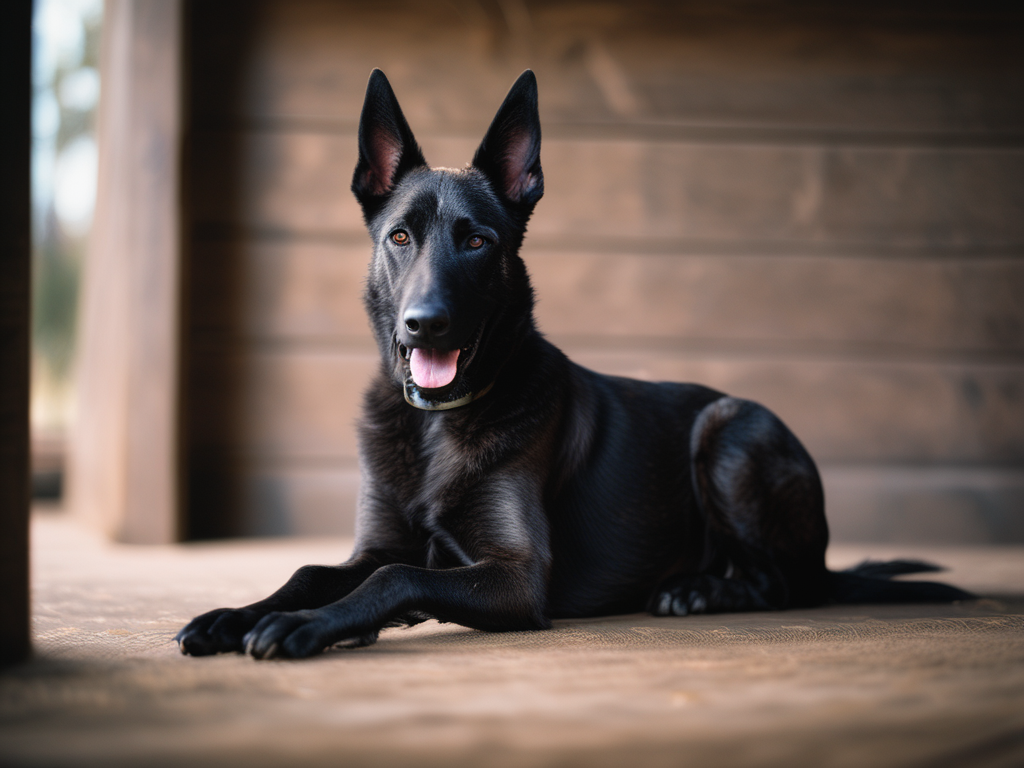
Dutch Shepherd: The Agile and Versatile Herding Dog from the Netherlands
Introduction
The Dutch Shepherd is a remarkable and versatile dog breed hailing from the Netherlands. Renowned for its agility, intelligence, and herding abilities, this breed has a long history of working alongside Dutch farmers and shepherds. In this article, we will delve into the origins, characteristics, and temperament of the Dutch Shepherd, a breed that has earned its place as a loyal and capable canine companion.
Historical Background
The Dutch Shepherd’s history dates back centuries in the Netherlands, where it was originally bred as a working dog for herding and guarding livestock. These dogs were valued for their energy, agility, and keen instincts, making them adept at handling the demanding tasks of herding flocks on Dutch farms.
Over time, the Dutch Shepherd’s versatility became evident as it excelled in various roles, including guarding, police work, search and rescue, and even as loyal family companions. Their adaptability and intelligence have endeared them to both working professionals and families seeking a devoted and reliable canine companion.
Physical Characteristics
The Dutch Shepherd is a medium-sized breed with a well-proportioned and muscular build. Males typically weigh between 55 to 75 pounds (25 to 34 kg), while females are slightly lighter, ranging from 44 to 66 pounds (20 to 30 kg). Their athletic physique allows them to be agile and quick on their feet, ideal for herding and other active tasks.
The breed’s coat is dense, weather-resistant, and can come in three different coat types: short-haired, long-haired, and rough-haired. The most common coat color is brindle, featuring a combination of gold, silver, and black stripes, although solid colors like fawn and grey are also seen.
Temperament and Behavior
The Dutch Shepherd is known for its intelligence, loyalty, and high energy levels. They form strong bonds with their owners and are typically devoted and protective of their families. Their natural herding instincts may manifest as they try to “herd” their human family members, especially children, making them excellent watchdogs.
As a working breed, the Dutch Shepherd is highly trainable and thrives on mental stimulation. They excel in obedience training and various dog sports, such as agility and scent work. Consistent and positive reinforcement training methods are recommended to bring out the best in this intelligent and eager-to-please breed.
The Dutch Shepherd is also known for its friendly and amiable nature, making it a good fit for families. Early socialization is essential to ensure they grow into well-mannered and well-adjusted companions.
Care and Considerations
The Dutch Shepherd’s coat requires regular grooming, with more attention needed for long-haired and rough-haired varieties. Occasional brushing will help keep the coat clean and free of loose hairs.
This breed is highly active and requires regular exercise to stay mentally and physically content. Daily walks, playtime, and engaging activities will help meet their energy needs and prevent boredom-related behaviors.
Conclusion
In conclusion, the Dutch Shepherd stands as a testament to the Netherlands’ rich agricultural heritage and the special bond between humans and their working dogs. With their agility, intelligence, and friendly disposition, they have become valued partners for farmers, herders, law enforcement, and devoted family members alike. As the Dutch Shepherd continues to thrive in various roles, its legacy as a loyal and capable canine companion remains firmly intact.
 ChooseYourDog