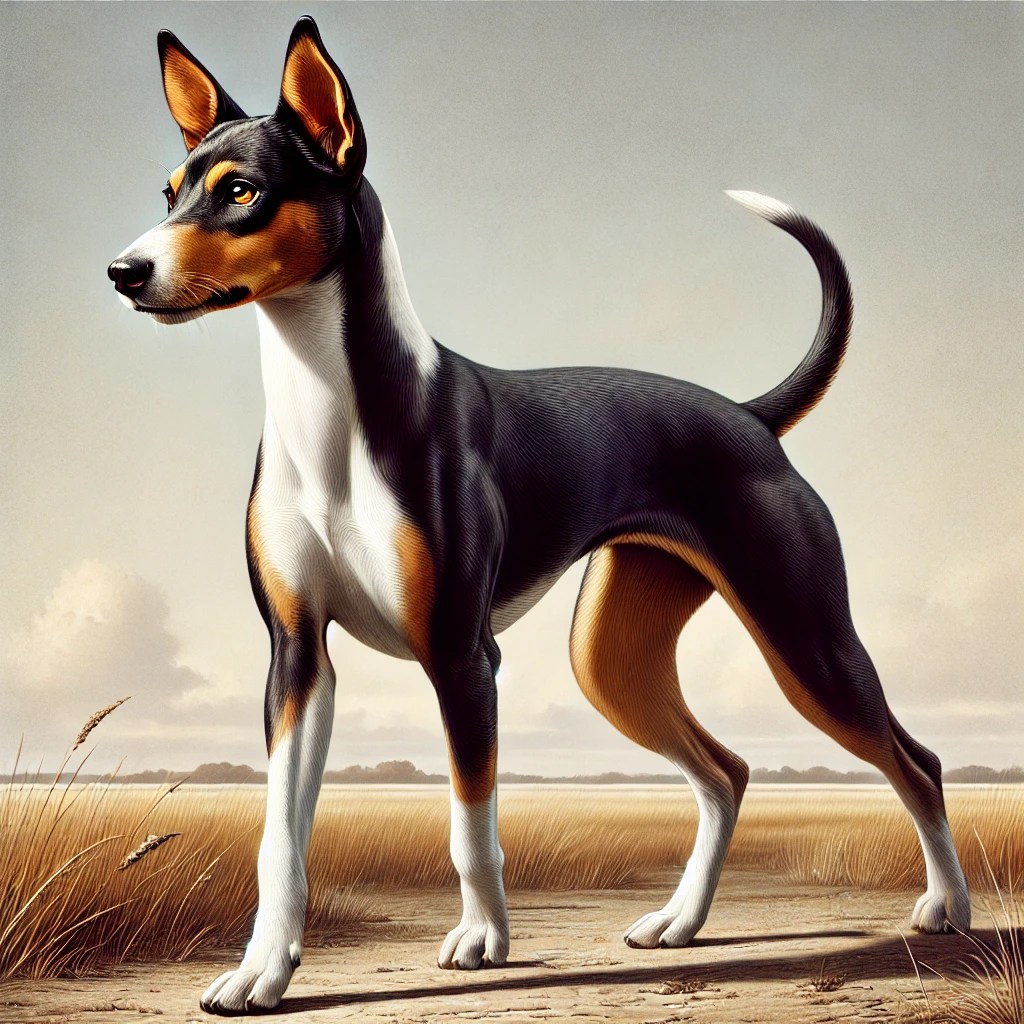
Chortai: The Enigmatic Sighthound of Central Asia
The Chortai, also known as the Central Asian Greyhound, is an enigmatic and ancient sighthound breed with a rich history that spans centuries in the vast and rugged expanse of Central Asia. Revered for its exceptional speed, endurance, and hunting prowess, this breed has been an integral part of the nomadic cultures of the region. With its striking appearance and deeply ingrained cultural significance, the Chortai continues to captivate dog enthusiasts worldwide.
Origin and History:
The Chortai’s origins can be traced back to the expansive landscapes of Central Asia, where they have existed for thousands of years. Nomadic tribes in the region relied on these sighthounds for various purposes, such as hunting game, guarding livestock, and offering companionship to their human families.
The breed’s lineage remains steeped in mystery, with oral traditions and folklore contributing to their mythology. As a result, tracing their exact ancestry is challenging. However, one common belief is that they are descendants of ancient sighthounds that roamed the Silk Road and other trade routes of Central Asia.
Appearance:
The Chortai is a majestic and athletic breed, combining grace with strength. Their long, slender legs and deep chest allow them to achieve remarkable speeds in pursuit of their prey. Their powerful muscles and agile body enable them to cover vast distances with ease.
Distinctive features of the Chortai include their noble head, strong neck, and deep-set, expressive eyes that exude intelligence and attentiveness. Their short, dense coat provides protection against the extreme weather conditions of the region, with colors ranging from various shades of gray to fawn, white, and brindle.
Temperament:
Chortai dogs possess a strong sense of independence and self-reliance, which can be attributed to their nomadic heritage. They are loyal and devoted to their human families but may exhibit an aloof demeanor with strangers. Their watchful and cautious nature makes them exceptional guard dogs, protecting their territory and loved ones with unwavering vigilance.
While they may be reserved around strangers, Chortai dogs form strong bonds with their owners and are known to be affectionate and loyal companions. Early socialization and consistent, patient training are essential to ensure they develop into well-rounded and well-behaved dogs.
Care and Exercise:
As a sighthound breed, the Chortai has a natural instinct to chase, which makes regular exercise crucial to their well-being. Long walks, opportunities to run in enclosed areas, and engaging in dog sports are essential to fulfill their physical and mental needs.
Grooming needs for the Chortai are minimal, thanks to their short coat. Occasional brushing to remove loose hair and routine checks of their ears, teeth, and nails are sufficient to maintain their overall health and appearance.
Preservation and Recognition:
The Chortai, while an integral part of Central Asian culture and history, is relatively unknown outside its region of origin. Efforts to promote and preserve this ancient breed have gained momentum in recent years, with various breed enthusiasts and organizations working towards increasing awareness and recognition on the international stage.
Responsible breeding practices and efforts to document their lineage are essential in safeguarding the genetic diversity and unique qualities of the Chortai. As more people discover the allure of this enigmatic sighthound, it is hoped that the breed will continue to thrive and leave an indelible mark on the hearts of dog lovers worldwide.
Conclusion:
The Chortai, with its mysterious origins and exceptional characteristics, stands as a testament to the deep connection between humans and dogs in the rich tapestry of Central Asian culture. Their speed, endurance, and unwavering loyalty make them extraordinary companions and guardians. As efforts to preserve and promote the Chortai breed gain traction, it is anticipated that more people will come to admire and appreciate the enduring legacy of this remarkable and enigmatic Central Asian Greyhound.
 ChooseYourDog