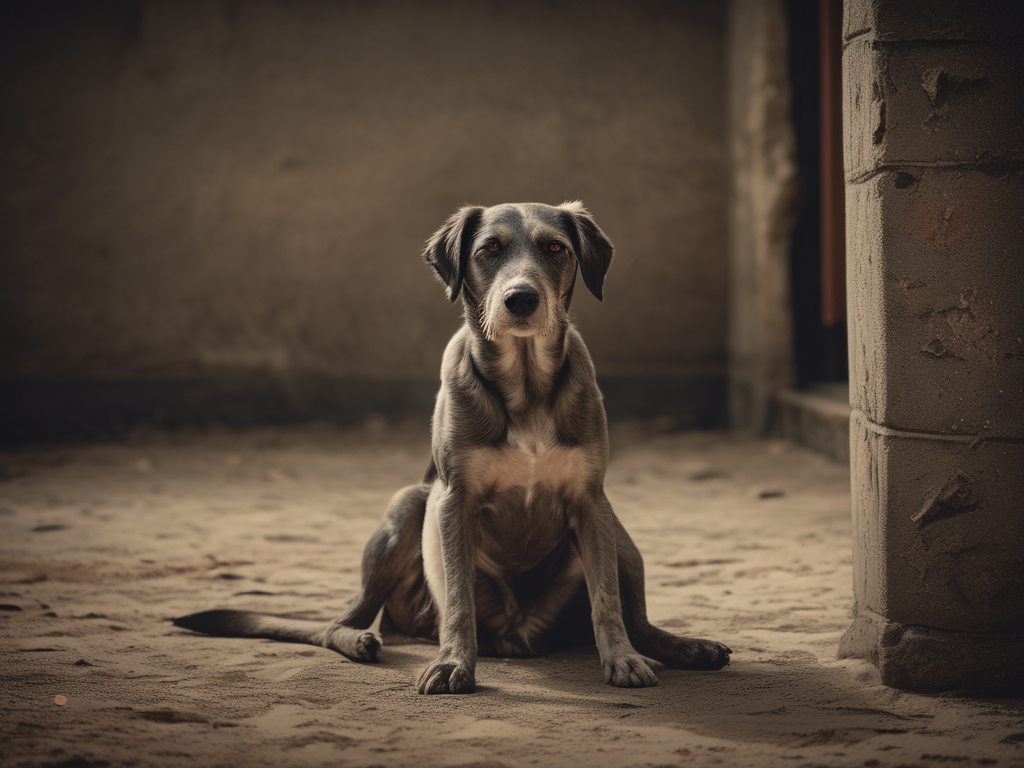
Can de Chira: The Endangered and Hardy Spanish Shepherd Dog
Introduction
The Can de Chira, also known as the Chiribito, is a rare and hardy Spanish shepherd dog breed originating from the Canary Islands. With a long history of assisting shepherds in their daily tasks, this breed has developed remarkable endurance, intelligence, and loyalty. Despite their valuable contributions to rural life, the Can de Chira faces endangerment, making their preservation and recognition crucial. In this article, we will delve into the origins, characteristics, temperament, and conservation efforts of the Can de Chira.
Origins and History
The Can de Chira’s history can be traced back centuries to the volcanic landscape of the Canary Islands, particularly the island of La Palma. Bred by local shepherds, these dogs played a vital role in herding and protecting livestock, primarily goats and sheep, in the challenging terrains and harsh climates of the islands.
The name “Chiribito” refers to the distinctive chirivito, a small stick adorned with ribbons and bells, worn around their necks to help shepherds locate and distinguish their dogs during long days of herding. While once a common sight in the region, the breed’s numbers have dwindled, placing them on the endangered list.
Physical Characteristics
The Can de Chira is a medium-sized dog with a well-proportioned and muscular build. Males typically stand between 20 to 24 inches (50 to 60 cm) at the shoulder, while females are slightly smaller, ranging from 18 to 22 inches (45 to 55 cm). Their weight usually falls between 44 to 66 pounds (20 to 30 kg).
They have a dense double coat that protects them from the elements. Coat colors can vary and include black, red, brindle, and fawn, often with white markings on the chest and feet. Their alert and expressive eyes, coupled with a well-defined muzzle, give them a distinctive appearance.
Temperament and Personality
The Can de Chira is renowned for its intelligence, bravery, and strong herding instincts. Their history as working dogs has instilled in them a strong sense of loyalty and devotion to their human companions. They form deep bonds with their families and are particularly protective of the livestock they are entrusted to care for.
Due to their strong herding background, they may display a tendency to nip at the heels of children or other animals. Early socialization and consistent training are essential to help them become well-mannered and well-adjusted companions.
Conservation Efforts
As an endangered breed, the Can de Chira’s preservation is of paramount importance. Various organizations and breed enthusiasts have taken up the cause to raise awareness about the breed’s historical significance and unique attributes. Efforts are underway to promote responsible breeding practices and ensure that the breed’s genetic diversity is protected.
Conservationists are also collaborating with local shepherds to highlight the breed’s practical value in modern farming practices, hoping to rekindle interest and appreciation for the Can de Chira’s traditional roles.
Conclusion
The Can de Chira is a hardy and loyal shepherd dog with deep-rooted ties to the rural life of the Canary Islands. Despite their endangered status, their intelligence, endurance, and devotion make them a breed worth preserving and cherishing. By shining a light on their historical contributions and enlisting support for their conservation, we can work together to ensure that the Can de Chira’s legacy endures for generations to come.
 ChooseYourDog