The Bulldog: A Resilient and Endearing Canine Companion
The Bulldog is a unique and beloved dog breed that has captured the hearts of many dog enthusiasts around the world. Known for their distinctive appearance and amiable personality, Bulldogs have a rich history and are cherished as loyal family pets. In this article, we will delve into the origins, characteristics, and temperament of this fascinating canine breed.
Historical Background:
The Bulldog’s origins can be traced back to England, where they were initially bred for bull-baiting, a cruel and barbaric sport in which dogs were pitted against bulls for public entertainment. This practice, along with other forms of animal cruelty, was eventually banned in the early 19th century, leading to a decline in the breed’s popularity.
However, rather than fading away, Bulldogs found a new purpose as companions. The breed underwent significant changes through selective breeding to improve their temperament and make them more suitable as household pets. Over time, the aggressive traits that were once prized for bull-baiting were replaced with more gentle and affectionate characteristics, creating the Bulldog we know and adore today.
Physical Characteristics:
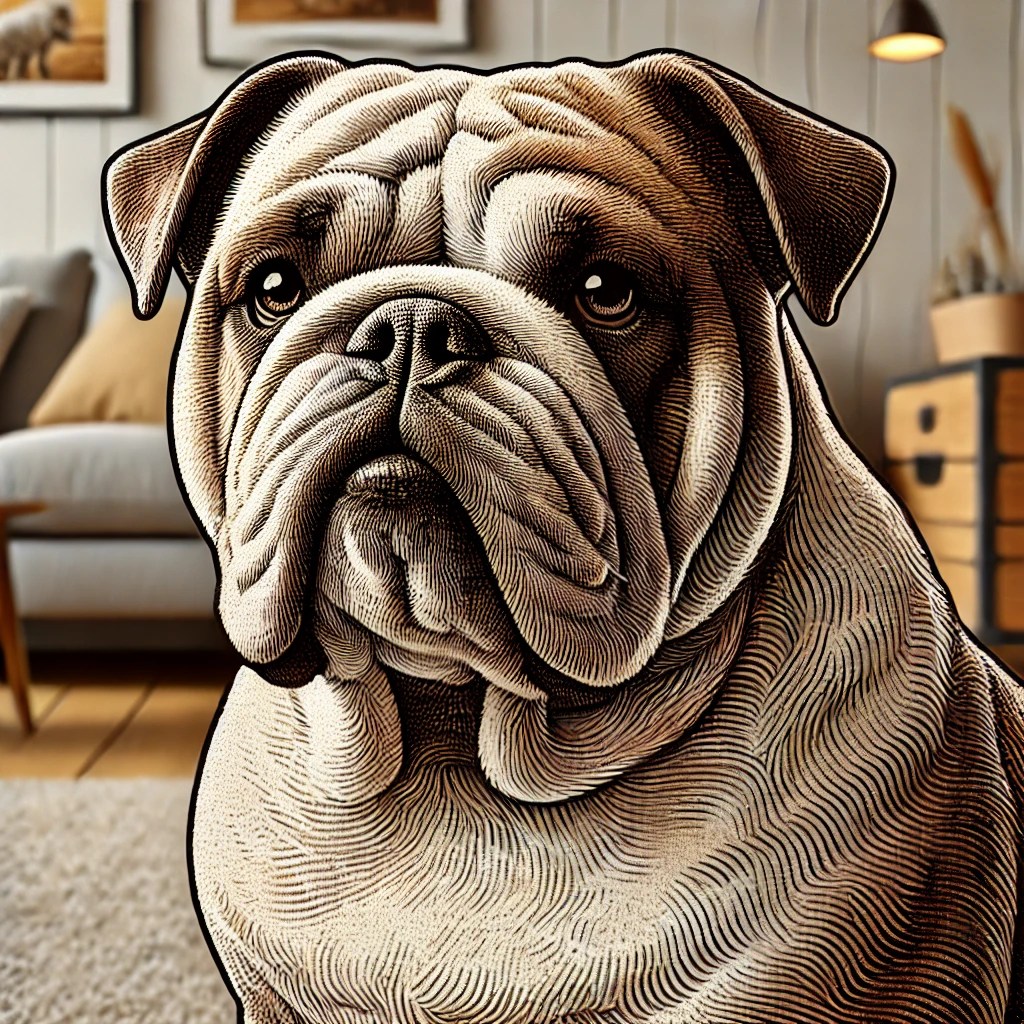
The Bulldog’s appearance is instantly recognizable. They have a distinctive pushed-in nose, loose, wrinkled skin around the face and neck, and a sturdy, muscular body. Their stocky build, broad shoulders, and strong legs give them a compact and powerful appearance. Bulldogs typically have a short, smooth coat that comes in various colors, including brindle, white, fawn, and pied.
Temperament:
Despite their intimidating appearance, Bulldogs are incredibly gentle and affectionate dogs. They are known for their calm demeanor, making them excellent companions for families, including those with children and other pets. Bulldogs are loyal, dependable, and highly devoted to their owners, forming strong bonds that last a lifetime.
While Bulldogs tend to have a laid-back personality, they can display a stubborn streak at times. Training and socialization from an early age are essential to ensure they grow into well-mannered and well-adjusted pets. Positive reinforcement methods are usually the most effective in training Bulldogs, as they respond well to praise and rewards.
Exercise and Care:
Due to their brachycephalic (short-nosed) faces, Bulldogs may experience breathing difficulties in hot and humid weather. As a result, it’s crucial to provide them with a cool and comfortable environment during such conditions. Despite their muscular build, Bulldogs do not require excessive exercise and are content with moderate physical activity, such as short walks and indoor playtime.
Grooming Bulldogs is relatively easy, thanks to their short coat. Regular brushing helps in managing shedding and keeps their coat clean and healthy. Additionally, attention should be given to cleaning the skin folds around their face to prevent any potential skin issues.
Health Considerations:
Like all dog breeds, Bulldogs are prone to certain health issues. Some common health concerns include hip dysplasia, respiratory problems, skin infections in the folds, and eye conditions. Responsible breeders work to minimize these genetic risks by conducting health screenings and only breeding dogs with good overall health.
Conclusion:
In conclusion, the Bulldog is a delightful breed with a fascinating history and an endearing personality. From their origins as bull-baiters to their transformation into affectionate companions, Bulldogs have shown their remarkable adaptability and resilience. With their gentle disposition and unwavering loyalty, Bulldogs continue to be cherished members of families worldwide, bringing joy and love to all who have the pleasure of sharing their lives with these wonderful dogs.
 ChooseYourDog