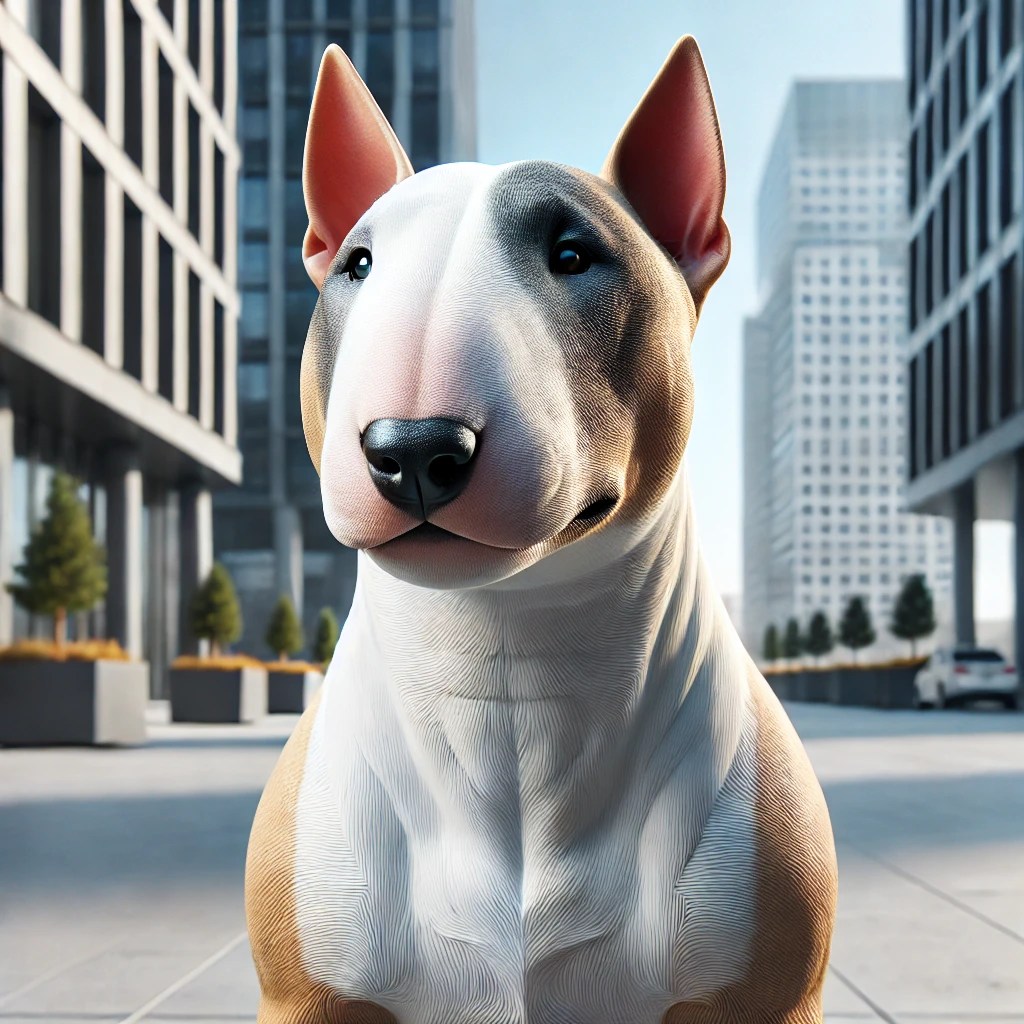
Title: The Bull Terrier: A Resilient and Loyal Canine Companion
Introduction
The Bull Terrier, a distinctive and robust breed, has captivated dog lovers around the world with its unique appearance and unwavering loyalty. Known for its egg-shaped head and muscular body, the Bull Terrier is a dog breed that stands out from the crowd. In this article, we will explore the history, characteristics, temperament, and care requirements of the Bull Terrier, shedding light on why it continues to be a popular choice for dog enthusiasts worldwide.
History and Origins
The Bull Terrier’s roots trace back to 19th-century England when breeders sought to create a courageous and tenacious canine for bull-baiting and vermin control. To accomplish this, they crossed the Old English Terrier (now extinct) with the Bulldog, resulting in the Bull Terrier’s foundation. These early Bull Terriers had a much more aggressive disposition, but as bull-baiting was banned in the mid-1800s, breeders focused on refining their temperament, leading to the more affable and sociable Bull Terrier we know today.
Distinctive Appearance
One of the most remarkable features of the Bull Terrier is its unmistakable head shape. Its rounded skull, often described as “egg-shaped” or “bullet-shaped,” sets it apart from other breeds. The eyes, small and triangular, give the Bull Terrier a sharp and intense gaze, while its ears stand erect and closely set. The breed’s short, flat coat comes in various colors, including white, brindle, black, fawn, and tri-color combinations.
Temperament and Personality
Beneath the Bull Terrier’s rugged exterior lies a heart full of love and loyalty for its family. Renowned for their affectionate and playful nature, Bull Terriers make devoted companions, forming strong bonds with their owners. They are known for being excellent with children and can be highly protective of their human pack.
Despite their loyal nature, Bull Terriers are also independent and can display a streak of stubbornness, which may require consistent training and firm guidance. Early socialization and obedience training are crucial to ensure that the Bull Terrier matures into a well-mannered and well-adjusted pet.
Exercise and Care
As an energetic and athletic breed, Bull Terriers require regular exercise to keep them physically and mentally stimulated. Daily walks, playtime, and engaging activities are essential to prevent boredom and potential destructive behaviors. They enjoy interactive games and challenging puzzles that engage their keen intelligence.
Grooming the Bull Terrier is relatively simple due to its short coat, which only requires occasional brushing to keep it looking neat and tidy. Like all dogs, regular dental care, nail trimming, and ear cleaning are necessary to maintain their overall health.
Health Considerations
Bull Terriers are generally a healthy breed, but like all dogs, they can be prone to certain genetic conditions. Some of the health issues that can affect Bull Terriers include patellar luxation, heart problems, skin conditions, and deafness (especially in all-white individuals). Responsible breeding practices, regular veterinary check-ups, and a balanced diet can help mitigate potential health concerns.
Conclusion
The Bull Terrier’s distinct appearance, coupled with its loving and devoted nature, has solidified its place as a beloved family companion. With a rich history of bravery and determination, this breed has evolved into a loyal and affectionate canine that brings joy to countless households worldwide. Whether as a playmate for children or a loyal friend for adults, the Bull Terrier continues to be a remarkable and cherished breed in the diverse tapestry of the canine world.
 ChooseYourDog