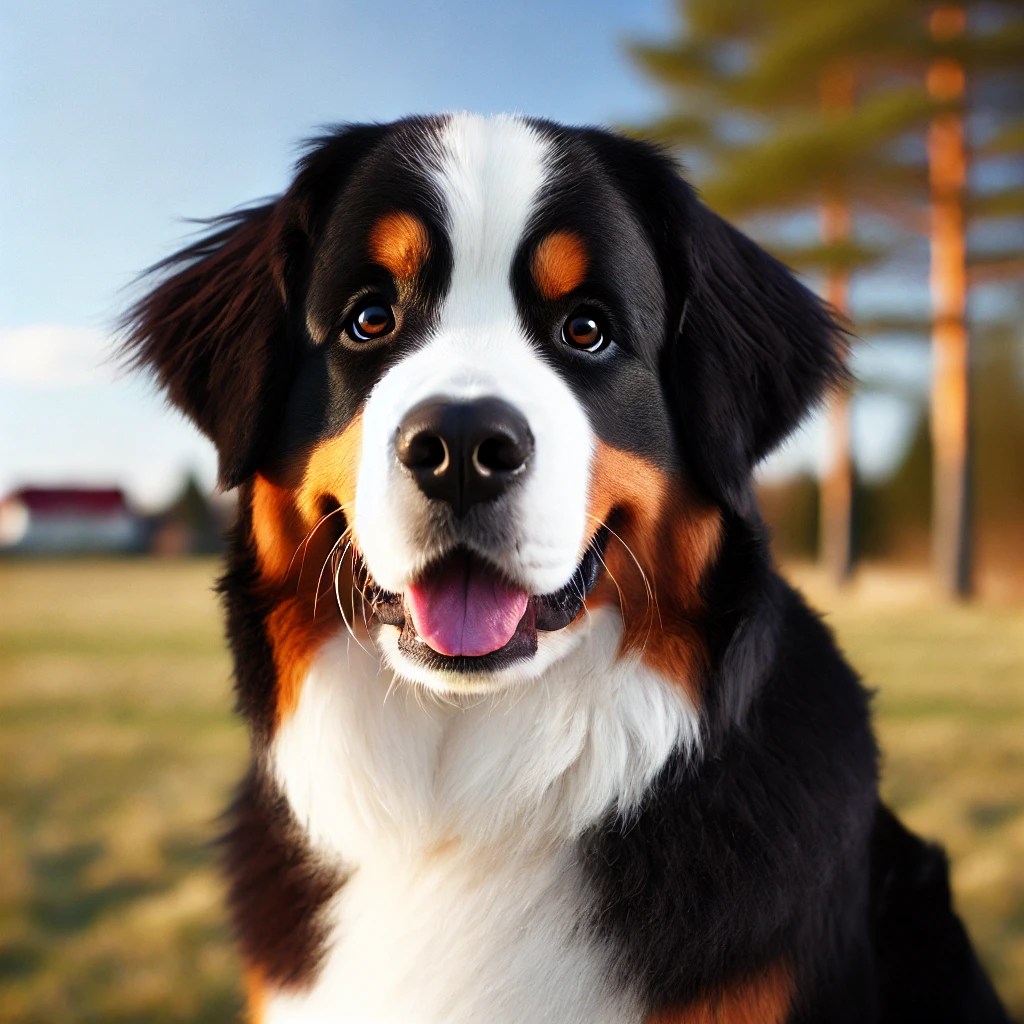
Bernese Mountain Dog: A Majestic Companion
The Bernese Mountain Dog, also known as the Berner Sennenhund or Bernese Cattle Dog, is a majestic and beloved canine breed that hails from the Swiss Alps. Renowned for their striking appearance and gentle demeanor, these magnificent dogs have captured the hearts of dog enthusiasts around the world. In this article, we’ll explore the history, characteristics, temperament, and care of the Bernese Mountain Dog.
History:
The Bernese Mountain Dog is one of the four Sennenhund breeds that originated in the Swiss Alps. It is believed that these dogs were developed by crossing native farm dogs with large Mastiff-type dogs brought to the region by the Romans around 2,000 years ago. The breed was primarily used as a versatile working dog on Swiss farms, where they excelled at herding cattle, pulling carts, and guarding properties. Due to their strength, intelligence, and loyalty, Bernese Mountain Dogs quickly became indispensable working companions for Swiss farmers.
Characteristics:
Bernese Mountain Dogs are large, sturdy dogs with a distinctive tricolor coat. Their coats are predominantly black, with rich rust-colored markings on their legs, chest, and face, and a white blaze on their chest. The fur is dense and weather-resistant, perfect for withstanding the harsh alpine climate. The breed has a broad head with dark, expressive eyes, and triangular, pendant-shaped ears that hang close to the head.
Males typically stand around 25 to 27.5 inches (63 to 70 cm) at the shoulder and weigh between 80 to 115 pounds (36 to 52 kg), while females are slightly smaller, standing 23 to 26 inches (58 to 66 cm) tall and weighing 70 to 95 pounds (32 to 43 kg).
Temperament:
One of the most endearing qualities of the Bernese Mountain Dog is its gentle and affectionate temperament. These dogs are known for their loving and loyal nature, making them excellent family pets and companions. They are generally good with children and other animals, provided they are well-socialized from an early age.
Due to their strong working background, Berners have a natural instinct to protect and guard their loved ones, but they are rarely aggressive. Instead, they are more likely to greet strangers with a friendly wagging tail. However, their large size can be intimidating to some, so proper training and socialization are essential to ensure they grow into well-mannered and confident adults.
Care:
Bernese Mountain Dogs are active dogs that require regular exercise to keep them happy and healthy. Daily walks, playtime, and mental stimulation are necessary to prevent boredom and behavioral issues. Although they are adaptable and can live in various settings, having a spacious yard is beneficial, allowing them ample room to roam and play.
The breed’s thick coat demands regular grooming to prevent matting and reduce shedding. Brushing their fur a few times a week is essential to keep it looking its best. During shedding seasons, more frequent grooming may be necessary.
Due to their size and heavy build, Berners can be prone to certain health issues, including hip and elbow dysplasia, as well as certain heart conditions. Regular veterinary check-ups are crucial to detect any potential health problems early on.
Conclusion:
In conclusion, the Bernese Mountain Dog is an exceptional breed with a rich history as a working companion in the Swiss Alps. Today, they are cherished family pets known for their affectionate and gentle nature. If you’re looking for a majestic and loyal companion that thrives on love and attention, the Bernese Mountain Dog may be the perfect addition to your family. However, potential owners should be prepared to invest time in training, socialization, and grooming to ensure their Berner becomes a well-adjusted and happy member of the family.
 ChooseYourDog