Banjara Hound: The Graceful Indian Sighthound
Introduction
The Banjara Hound, also known as the Vanjari Hound, is a graceful and elegant sighthound breed that originates from India. With its slender body, keen sight, and remarkable speed, this breed has been used for centuries by the nomadic Banjara community for hunting and guarding. Although still relatively lesser-known on the global stage, the Banjara Hound possesses a rich history and a unique set of characteristics that make it a beloved companion and skilled hunter.
Historical Background
The history of the Banjara Hound traces back several centuries to the Indian subcontinent. The breed was predominantly bred and raised by the Banjara people, a semi-nomadic ethnic group known for their involvement in trade and transportation. The hound was selectively bred to excel in hunting small game, such as rabbits, hare, and other small animals that were abundant in the regions the Banjara people traversed during their journeys.
Physical Characteristics
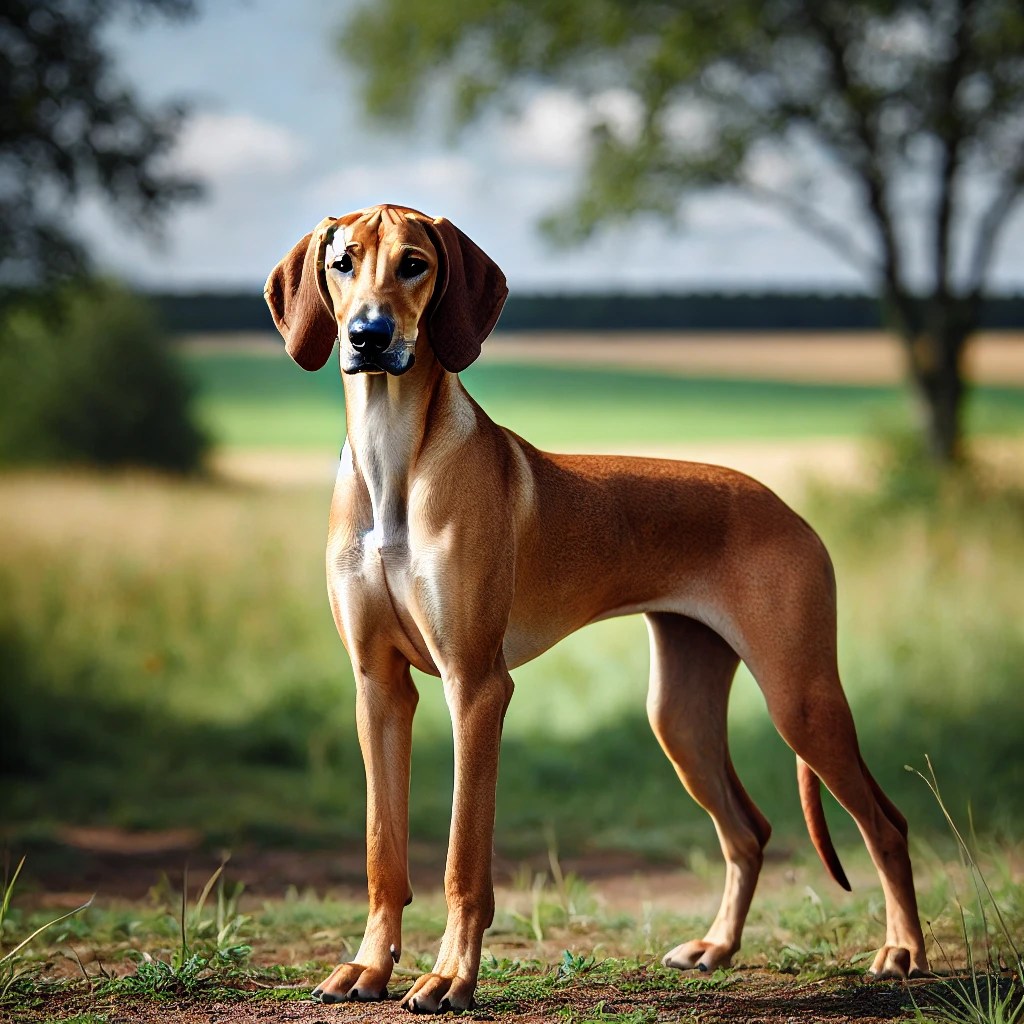
The Banjara Hound is a medium to large-sized sighthound with a lean, muscular frame. It stands at an average height of 24 to 28 inches (60 to 71 cm) and weighs around 44 to 77 pounds (20 to 35 kg). Its coat is short, sleek, and can come in various colors, including fawn, brindle, black, and tricolor patterns. Their ears are medium-sized and fold gracefully, and their eyes are large, expressive, and often exhibit a lively and alert gaze.
Temperament and Behavior
Known for their loyalty and affectionate nature, the Banjara Hound forms strong bonds with their family members. Despite being primarily bred for hunting, they are gentle and can be good with children and other pets when properly socialized from a young age. However, it’s essential to remember that their hunting instincts are still present, and they might have a strong prey drive. Early training and socialization are crucial to ensure they grow into well-mannered companions.
Exercise and Training
As a sighthound, the Banjara Hound is an active breed that requires regular exercise to stay healthy and happy. Daily walks and off-leash running in a secure, fenced area are essential to satisfy their need for physical activity. Training should be consistent, positive, and firm but never harsh. Their intelligence and willingness to please their owners make them responsive to training, but patience is key, as they can be independent at times.
Health Considerations
Generally, the Banjara Hound is a hardy and healthy breed, but like any dog, they can be prone to certain genetic health issues. Hip dysplasia, bloat, and eye conditions are some of the health concerns that can affect this breed. Responsible breeders conduct health screenings and genetic testing to reduce the risk of passing on hereditary diseases to their offspring.
Preserving the Breed
Despite its historical significance and unique qualities, the Banjara Hound faces a risk of declining numbers due to the popularity of other breeds and changes in the traditional lifestyle of the Banjara community. Organizations and enthusiasts are working towards preserving and promoting the breed through responsible breeding practices, public awareness campaigns, and encouraging its adoption as a family companion.
Conclusion
The Banjara Hound stands as a living testament to India’s cultural heritage, reflecting the bond between humans and animals in the context of a traditional nomadic lifestyle. With its majestic appearance, gentle temperament, and impressive hunting abilities, this remarkable sighthound continues to charm those who have the opportunity to share their lives with one. As efforts persist to conserve and cherish the breed, the Banjara Hound’s legacy will hopefully endure, both in its country of origin and beyond.
 ChooseYourDog