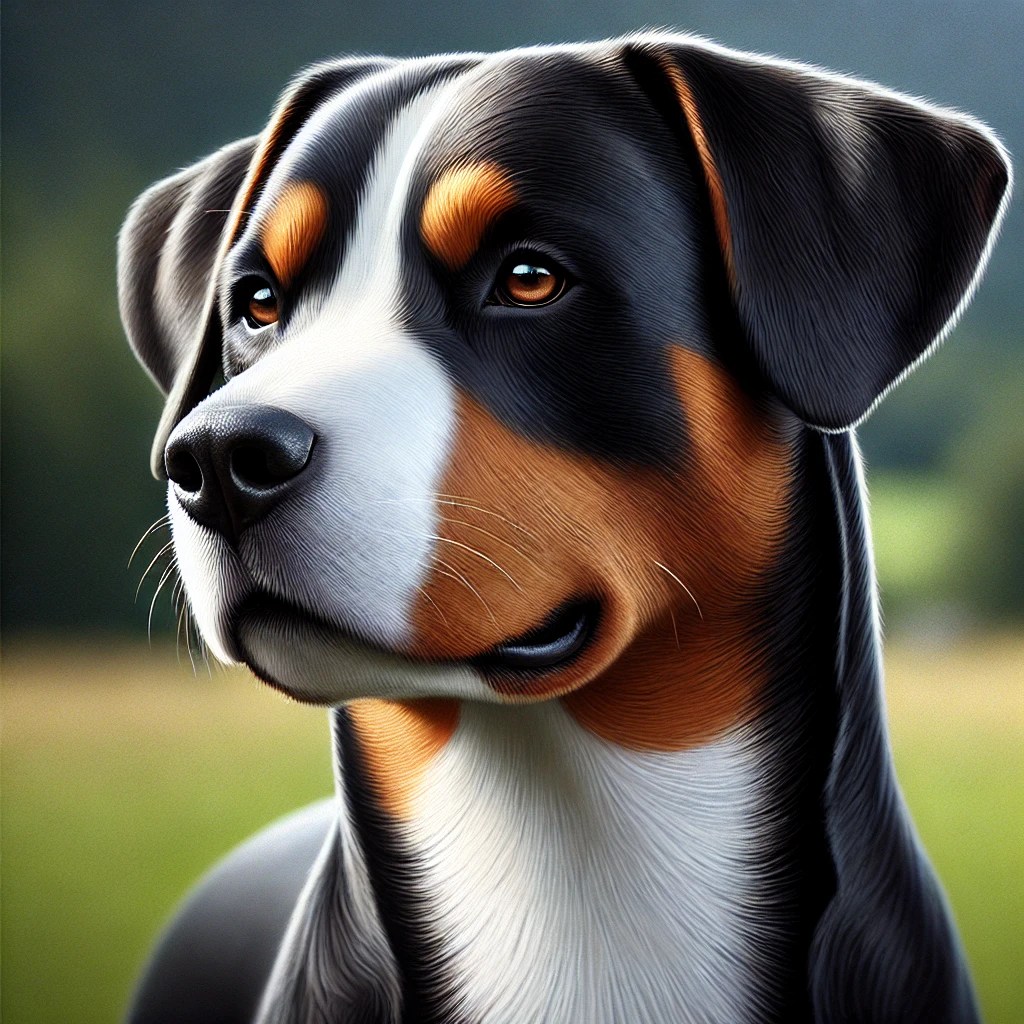
The Appenzeller Sennenhund: A Swiss Treasure among Dog Breeds
Introduction
The Appenzeller Sennenhund, also known as the Appenzeller Mountain Dog, is a captivating and energetic breed hailing from Switzerland. Renowned for its striking appearance, intelligence, and herding capabilities, this breed has been a beloved companion and working dog for centuries. In this article, we will explore the history, characteristics, temperament, and care requirements of the Appenzeller Sennenhund.
History and Origin
The Appenzeller Sennenhund belongs to the Sennenhund family of Swiss Mountain Dogs, which also includes the Bernese Mountain Dog, the Entlebucher Mountain Dog, and the Greater Swiss Mountain Dog. These dogs share a common ancestry, dating back to the Roman era when they were brought to the Swiss Alps by the Romans themselves. Over the centuries, these dogs were primarily used for herding cattle and guarding farms in the Appenzell region, from which they derive their name.
The breed’s precise origins remain somewhat obscure, but it is believed that the Appenzeller Sennenhund developed from local farm dogs interbred with Mastiffs, Roman Molossers, and other large dog breeds brought to the area by traders and travelers. The Swiss dog breeding efforts in the late 19th and early 20th centuries further refined the breed, solidifying its distinct characteristics.
Physical Characteristics
The Appenzeller Sennenhund is a medium to large-sized dog with a well-balanced and muscular build. Males typically stand between 20 to 22 inches (50-56 cm) at the shoulder, while females are slightly smaller, ranging from 18 to 20 inches (45-50 cm). They weigh around 50 to 70 pounds (23-32 kg).
One of the breed’s most distinctive features is its coat, which is double-layered. The outer coat is dense and short, while the undercoat is thick and soft, providing insulation against harsh weather conditions. The standard coat color is tricolor, consisting of a black base with rust and white markings on the face, chest, and paws.
The Appenzeller’s expressive eyes are small, dark, and almond-shaped, reflecting a lively and intelligent disposition. Their ears are medium-sized, triangular, and slightly rounded at the tips, which adds to their alert appearance.
Temperament and Behavior
Appenzeller Sennenhunds are known for their exuberant and lively personalities. They are highly intelligent, agile, and possess a strong work ethic. Due to their herding heritage, they may display some instinctual herding behaviors, which can extend to their interactions with family members, particularly children. Early socialization and training are essential to help them channel these instincts appropriately.
This breed is incredibly loyal and forms deep bonds with their families, making them excellent watchdogs. They are alert and quick to respond to any perceived threat, but they are not inherently aggressive. However, due to their protective nature, they may be reserved around strangers, making proper socialization critical to ensure they remain well-mannered.
Exercise and Care
The Appenzeller Sennenhund is an active and energetic breed that requires regular exercise and mental stimulation. Daily walks, play sessions, and engaging activities such as agility, obedience, or herding trials are beneficial for their physical and mental well-being.
As a working dog, the Appenzeller thrives when given a job to do. Engaging them in interactive games, puzzles, or teaching them new tricks can help keep their minds engaged and prevent boredom-induced behaviors.
In terms of grooming, the breed’s short coat is relatively easy to maintain. Regular brushing to remove loose hair and occasional baths are usually sufficient to keep their coat clean and healthy.
Health Considerations
Like all breeds, the Appenzeller Sennenhund is susceptible to certain health conditions. Responsible breeders aim to reduce the risk of hereditary issues through careful breeding practices. Some of the health concerns that can affect the breed include hip dysplasia, elbow dysplasia, and progressive retinal atrophy (PRA). Regular veterinary check-ups, a balanced diet, and an active lifestyle can contribute to the overall well-being of the Appenzeller.
Conclusion
The Appenzeller Sennenhund is a captivating and devoted companion with a rich history as a hardworking Swiss Mountain Dog. Its striking appearance, combined with its intelligence and loyal nature, make it a cherished member of many families worldwide. When provided with proper training, socialization, exercise, and care, the Appenzeller Sennenhund proves to be an exceptional and delightful canine companion for those who appreciate the charm and allure of this Swiss treasure among dog breeds.
 ChooseYourDog