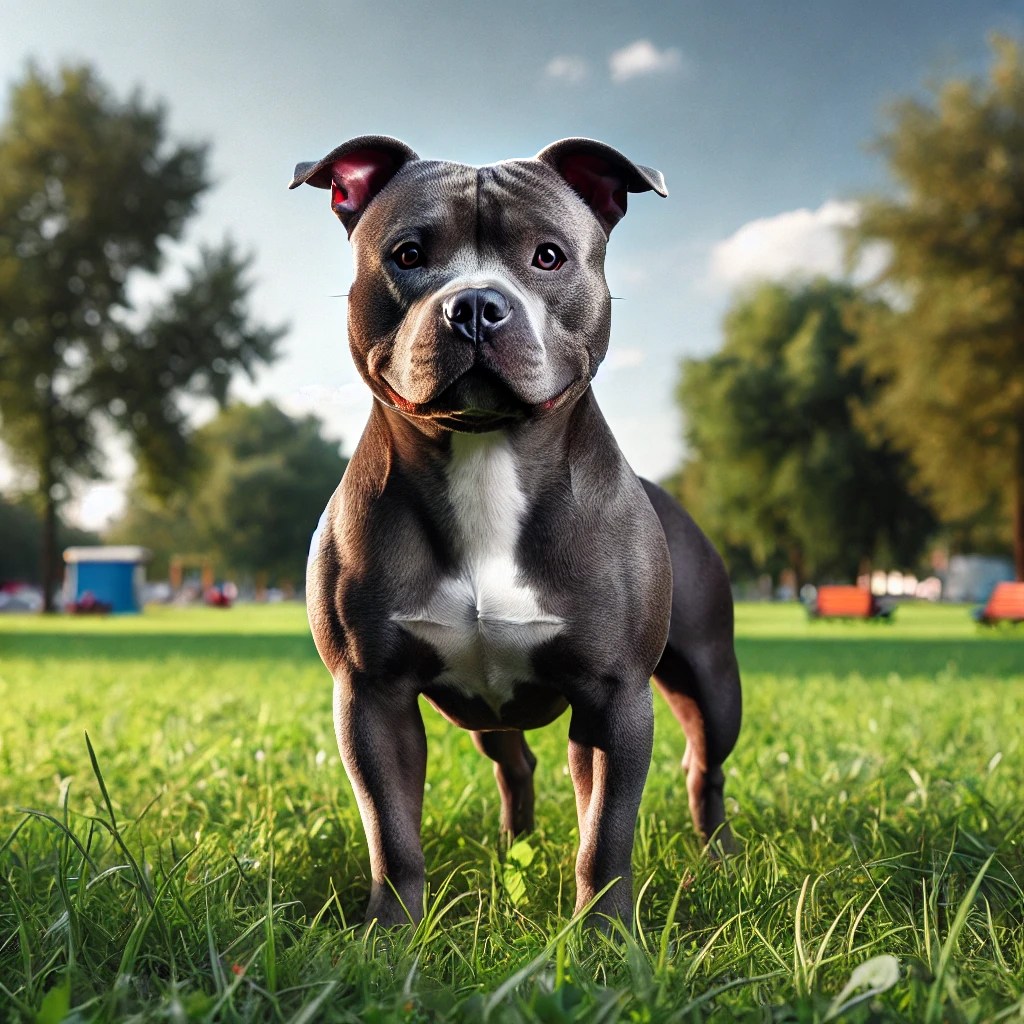
The American Pit Bull Terrier: A Misunderstood Canine Companion
The American Pit Bull Terrier, often simply referred to as the Pit Bull, is a controversial and misunderstood dog breed that has garnered both ardent supporters and fervent critics. Originally bred for bull-baiting and later used in dogfighting, this breed’s reputation has been marred by sensationalized media stories and misinformation. In this article, we will delve into the true nature of the American Pit Bull Terrier, separating fact from fiction, and shed light on the responsible ownership of these remarkable dogs.
Historical Background: From Work to Companion
The roots of the American Pit Bull Terrier can be traced back to 19th-century England, where it was bred from the now-extinct Old English Bulldog and various terrier breeds. These dogs were initially bred for bull-baiting, a cruel and barbaric practice where dogs would attack and immobilize bulls. However, when bull-baiting was banned in the early 19th century, Pit Bulls found a new purpose as farm dogs, tasked with herding livestock and guarding property.
Immigrants brought these dogs to America, where they quickly became a favorite among farmers and ranchers due to their versatility, loyalty, and intelligence. Over time, they transitioned from working roles to beloved family pets.
Physical Characteristics
The American Pit Bull Terrier is a medium-sized, muscular, and agile dog with a distinctive square-shaped head. They typically weigh between 30 to 60 pounds (13 to 27 kilograms) and stand around 18 to 21 inches (45 to 53 centimeters) tall at the shoulder. Their short coat comes in various colors and patterns, including brindle, blue, red, black, and more.
Temperament and Personality
One of the most critical aspects to understand about Pit Bulls is their temperament. When bred responsibly and adequately socialized, American Pit Bull Terriers can be affectionate, loyal, and gentle dogs. They are known for forming strong bonds with their families and are often good with children, earning them the nickname “nanny dogs” in the past.
However, it’s essential to acknowledge that individual temperament can vary, and not all Pit Bulls will display the same behavior. Like all dog breeds, temperament is influenced by genetics, early socialization, and the environment in which they are raised.
The Controversy and Stereotypes
The controversy surrounding Pit Bulls stems from their historical association with dogfighting and a few highly-publicized attacks involving poorly trained or mistreated individuals. Unfortunately, these isolated incidents have contributed to the widespread belief that all Pit Bulls are inherently aggressive and dangerous.
It is essential to understand that breed alone is not a reliable predictor of aggression. Studies have shown that the American Pit Bull Terrier does not possess a higher predisposition to aggression than many other dog breeds. In fact, the American Temperament Testing Society (ATTS) has consistently reported that Pit Bulls score well in temperament tests, with pass rates higher than several other popular breeds.
Responsible Ownership and Training
Responsible ownership and proper training are crucial for any dog breed, and the American Pit Bull Terrier is no exception. Potential owners should consider factors such as their lifestyle, ability to provide proper exercise, socialization opportunities, and commitment to training before bringing a Pit Bull into their home.
Early socialization with other dogs, animals, and people is essential to foster a well-rounded and confident Pit Bull. Positive reinforcement training methods are recommended to build trust and strengthen the bond between the dog and owner.
Conclusion
The American Pit Bull Terrier is a loyal, affectionate, and versatile breed that, when raised responsibly, can make a loving and devoted companion. Like any other breed, they require proper training, socialization, and responsible ownership to thrive in a domestic environment.
It is essential to break free from the misconceptions and stereotypes surrounding Pit Bulls and judge them as individuals. By focusing on responsible breeding and ownership, we can ensure a brighter and more accurate future for this remarkable canine companion.
 ChooseYourDog