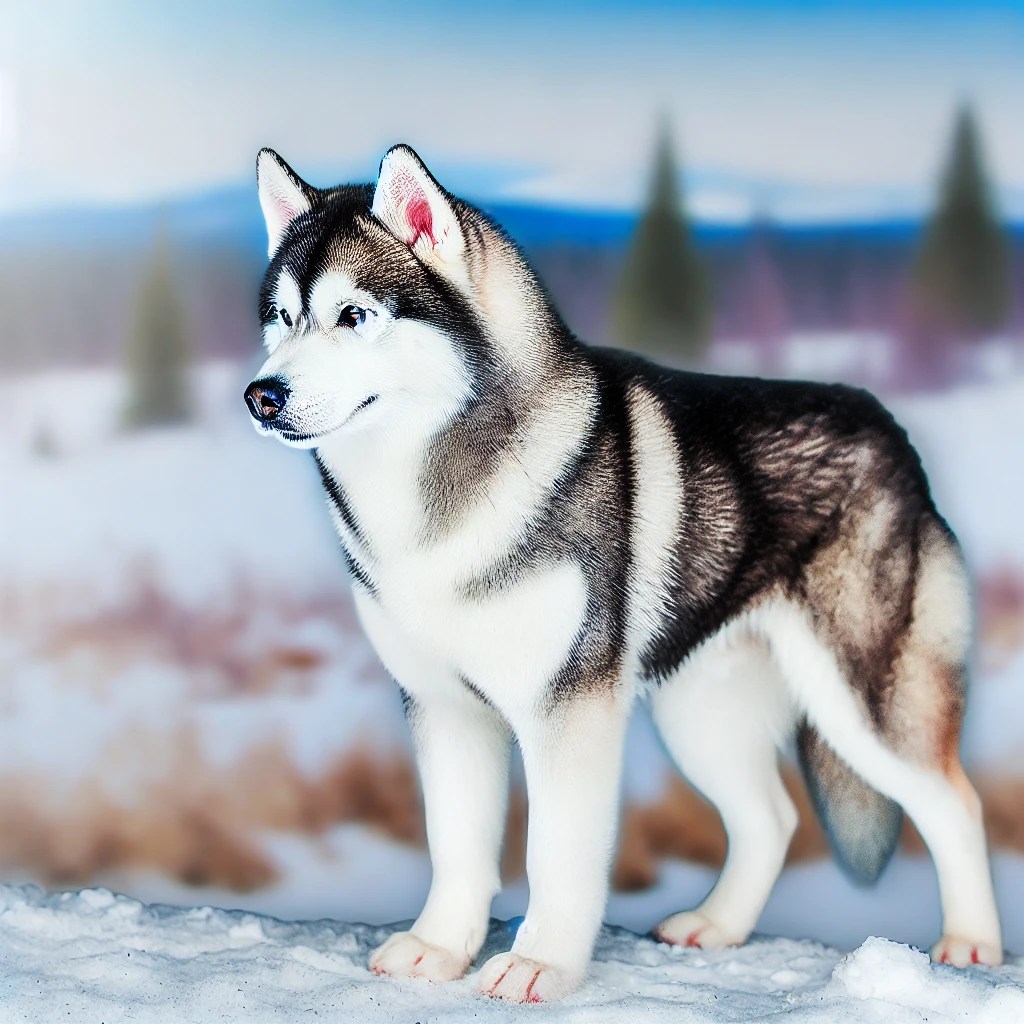
An Agile and Energetic Sled Dog
The Alaskan Husky, renowned for its remarkable athleticism and endurance, is a captivating breed that holds a special place in the history of sled dog racing and Arctic exploration. Often mistaken for the Siberian Husky or the Alaskan Malamute, the Alaskan Husky is a distinct and unique breed with its exceptional blend of working abilities and striking appearance. In this article, we will delve into the origin, characteristics, temperament, and care requirements of the Alaskan Husky.
Origin and History:
The Alaskan Husky’s origins can be traced back to the vast and icy landscapes of Alaska and the Arctic regions of North America. Unlike recognized breeds with a standard pedigree, the Alaskan Husky is not a purebred dog but rather a category of sled dog known for its endurance, speed, and ability to thrive in harsh winter conditions. It is a result of intentional crossbreeding between various northern dog breeds like the Siberian Husky, the Alaskan Malamute, the Greyhound, and other hound breeds.
Bred primarily for their sledding prowess and working ability, the Alaskan Husky is a product of centuries of careful selection and breeding by mushers (sled dog drivers) seeking to create the ultimate sled dog capable of covering vast distances in unforgiving terrains.
Physical Characteristics:
The Alaskan Husky is a medium to large-sized dog with a well-muscled and agile build. Its appearance varies widely due to the diversity of its genetic heritage, but it generally exhibits a lean and streamlined body, allowing it to reach impressive speeds while pulling sleds. The breed’s coat can be short or medium in length, featuring a range of colors and patterns, often with striking markings on the face and body.
One notable feature of the Alaskan Husky is its piercing almond-shaped eyes, which can be of different colors or even mismatched, giving it an intelligent and alert expression that captivates many.
Temperament and Personality:
Known for its friendly and sociable disposition, the Alaskan Husky is a people-oriented breed that forms strong bonds with its human companions. It is typically affectionate, making it a suitable choice for families and individuals alike. However, due to its strong prey drive and working background, it may not be the best fit for households with small pets.
The Alaskan Husky’s intelligence and high energy levels necessitate mental and physical stimulation. Without sufficient exercise and mental challenges, it can become restless or exhibit undesirable behaviors. As a working breed, it thrives on tasks and excels in dog sports like agility and obedience.
Care and Exercise:
The Alaskan Husky requires regular exercise to maintain its physical and mental well-being. Engaging in activities like running, hiking, or participating in dog sports is essential to keep this breed content and prevent behavioral issues. Due to its thick double coat, it sheds moderately year-round, with heavier shedding occurring during seasonal changes.
Grooming needs vary depending on the coat length, but regular brushing is generally recommended to keep its coat healthy and free of mats. Additionally, routine ear cleaning, dental care, and nail trimming are essential parts of their grooming routine.
Health Considerations:
Overall, the Alaskan Husky is a robust and healthy breed. Still, like all dogs, they may be prone to certain health conditions. Responsible breeders conduct health screenings to minimize the risk of inherited diseases, and regular veterinary check-ups help ensure their well-being.
Some potential health concerns for the Alaskan Husky may include hip dysplasia, eye problems, and joint issues. Providing a balanced diet, regular exercise, and preventive healthcare can contribute to a long and healthy life for this breed.
Conclusion:
The Alaskan Husky stands as a testament to the incredible bond between humans and dogs, showcasing a harmonious blend of athleticism, intelligence, and affection. As a devoted working companion, it has played a vital role in Arctic expeditions and sled dog racing, leaving an indelible mark on the history of canine-human partnerships.
If you’re an active individual or family seeking an energetic and versatile canine companion, the Alaskan Husky could be an excellent addition to your household. However, remember that owning a sled dog breed requires commitment, time, and dedication to meet their physical and mental needs. With proper care, love, and training, the Alaskan Husky will undoubtedly reward you with a lifetime of unforgettable adventures and unwavering loyalty.
 ChooseYourDog