A Loyal and Majestic Canine Companion
The Akita, a breed originating from Japan, is a majestic and powerful dog that has captured the hearts of dog enthusiasts worldwide. Known for its loyalty, strength, and striking appearance, the Akita has a fascinating history that intertwines with Japanese culture and ancient traditions. In this article, we will delve into the characteristics, history, and care of this remarkable canine companion.
Origins and History:
The Akita’s roots can be traced back to the mountainous regions of northern Japan, where it was originally bred as a hunting dog, specifically for hunting large game such as bears, boars, and deer. The breed’s name comes from the Akita Prefecture, the area where it was first developed. Throughout history, the Akita was prized for its courage and unwavering loyalty, traits that made it an esteemed and revered guardian and companion.
The Akita’s early history is also associated with Japanese royalty and nobility. During the Edo period (1603-1868), the breed was cherished as a symbol of good luck, health, and prosperity. Akita dogs were often presented as gifts to dignitaries and even used as diplomatic offerings, enhancing their prestige.
Physical Characteristics:
Akita dogs are large and powerful, boasting a well-built and muscular frame. Males typically stand between 26 to 28 inches (66 to 71 cm) at the shoulder, while females are slightly smaller, ranging from 24 to 26 inches (61 to 66 cm). Their weight can vary significantly, with males weighing between 100 to 130 pounds (45 to 59 kg), and females between 70 to 100 pounds (32 to 45 kg).
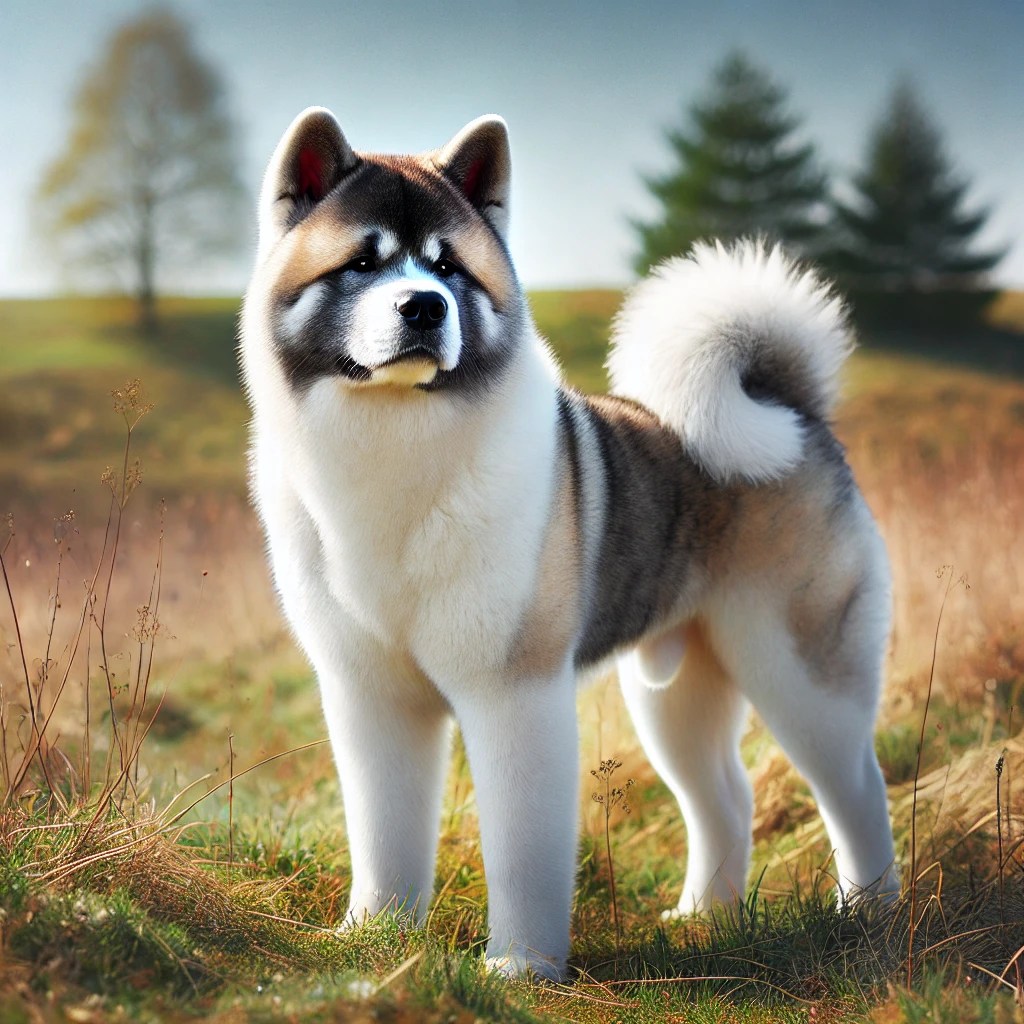
One of the most striking features of the Akita is its broad, bear-like head, characterized by small, triangular-shaped eyes and erect, slightly rounded ears. Their thick, double coat comes in various colors, including white, brindle, and pinto. The breed’s bushy tail curls over its back, adding to its regal and majestic appearance.
Temperament and Behavior:
While the Akita’s imposing presence might be intimidating, it possesses a remarkably loyal, dignified, and affectionate nature towards its family. Akitas are known for forming deep bonds with their owners, often displaying a reserved and aloof demeanor around strangers. This protective instinct makes them excellent guard dogs.
Early socialization and proper training are essential to ensure that the Akita develops into a well-mannered and well-adjusted companion. Their strong will and independent nature demand consistent and patient training techniques. Positive reinforcement methods work best with this intelligent breed, as harsh training approaches can lead to resistance or fear-based behavior.
Care and Exercise:
Despite their large size, Akitas can adapt well to apartment living if provided with sufficient exercise. Regular walks and playtime are necessary to keep this breed mentally and physically stimulated. They enjoy interactive activities and puzzles that challenge their intelligence.
Grooming is an important aspect of Akita care. They shed their dense undercoat twice a year, known as “blowing coat,” during which more frequent brushing is required. Regular grooming helps minimize shedding and keeps their coat healthy and glossy.
Health Considerations:
Like all breeds, Akitas are prone to certain health issues. Some of the common health concerns include hip dysplasia, progressive retinal atrophy (PRA), hypothyroidism, and autoimmune disorders. Responsible breeders conduct health screenings to minimize the risk of passing on genetic conditions to offspring.
Conclusion:
The Akita’s blend of strength, loyalty, and beauty makes it a truly remarkable breed. As a faithful companion and guardian, the Akita has captured the hearts of many dog lovers around the world. To ensure the Akita thrives as a beloved member of the family, early socialization, positive reinforcement training, regular exercise, and proper grooming are essential. With the right care and attention, the Akita’s regal demeanor and unwavering devotion will continue to bring joy and companionship to countless households for generations to come.
 ChooseYourDog